
Regular Cavalry Regiments
Various units were formed with components that kept the traditions of Imperial regiments. This is a sample of the units that were revived in the Volunteer Army, Armed Forces of South Russia or the Russian Army.
The issue for fielding them is that the flags are rarely known.
Example Units
1st Cavalry Regiment 1920
Formed on 16 April 1920 in the Russian Army in Crimea as part of the 1st Cavalry Division. It included squadrons of the 6th Volyn Lancers, 10th Odessa Lancers, 5th Alexandria Hussars and the 1st General Alekseev Horse Regiment. On 8 August 1920 the Alekseev Regiment left and was replaced by a divizion of the 10th Ingermanland Hussars.
2nd Cavalry Regiment 1920
Formed on 16 April 1920 in the Russian Army in Crimea. It was in the 1st Cavalry Division and then from 8 August 1920 in the 2nd Cavalry Division. It included squadrons of the 3rd Smolensk Lancers (until 22 August 1920), 11th Chuguev Lancers, 13th Vladimir Lancers, 14th Tatar Lancers, 16th Novoarkhangelsk Lancers (until 8 August 1920), 17th Novomirgorod Lancers (until 8 August 1920), 2nd Pavlograd Hussars (from 8 to 22 August 1920), 6th Klyastitsky Hussars, 13th Narva Hussars, 15th Ukrainian Hussars and 11th Riga Dragoons (from 22 August 1920).
9th Cavalry Division
In the Imperial Army it consisted of the 9th Kazan Dragoon Regiment, the 9th Bug Lancer Regiment, the 9th Kiev Hussar Regiment and the 1st Ural Cossack Regiment.It was revived in the Armed Forces of South Russia. Initially officers from the division's cavalry regiments formed the Composite Divizion of the 9th Cavalry Division as part of the Volunteer Army. On 27 May 1919 it became the Composite Regiment of the 9th Cavalry Division , with one divizion from each regiment (presumably not including the Cossacks). In the autumn the regiment was expanded to a division, which also included a reserve regiment.
Upon arrival in Crimea, the regiments were collapsed into divizions, which went into the Independent Cavalry Brigade as the 6th Cavalry Regiment (later renumbered the 5th). The former division's staff formed the basis of the brigade's command.
Uniforms
Sergei Mamontov, who served as a horse artilleryman, notes in his memoirs that some officers of the Composite Regiment of the 12th Division (Starodub Dragoons, Belgrorod Lancers and Akhtyr Hussars) wore their peace time uniforms. Other units are also known to have had at least some of their officers in the old dress uniforms.
It seems that, in general, the White cavalry was better dressed than their infantry, and included a higher number of officers serving in the ranks.
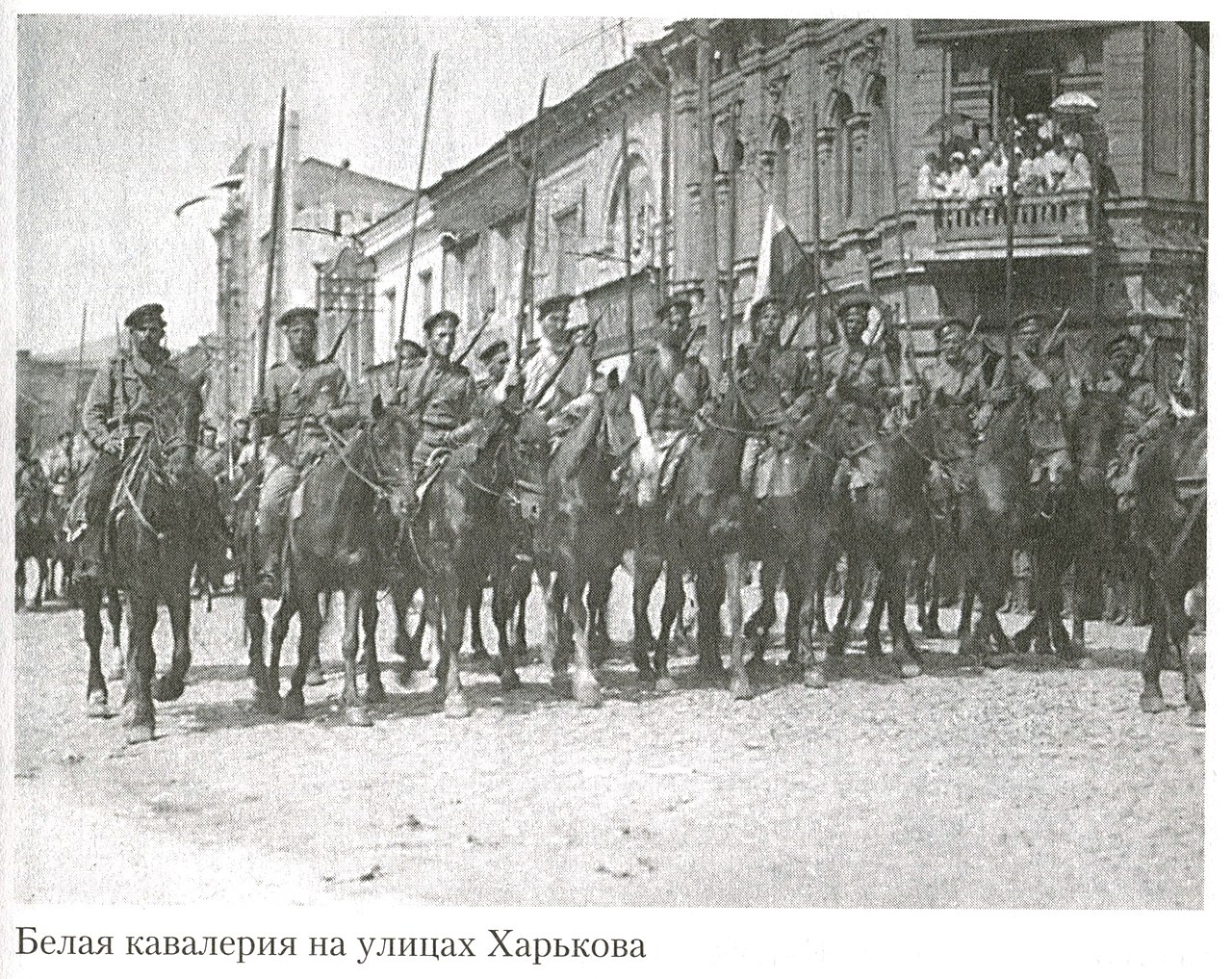
Regulars in Kharkiv in mid-1919. Notice that they are wearing caps without visors.
Like all regular cavalry, they are half lance, half sabre.
1st Sumy Hussars
Uniform
 |
 |
 |
|
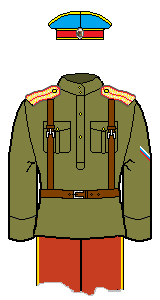
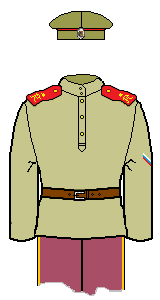
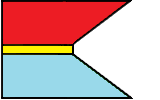
| Officer: 1st Hussars | Private: 1st Hussars | Lance pennon of the 1st Hussars |
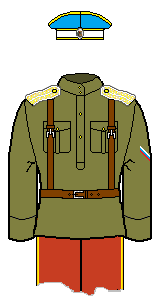
The dress cap was light blue piped yellow, with a red hatband, piped yellow. The field cap had a red piping on the top side of the hatband.
Dress trousers were hussar red, piped gold (orange for ranks).
The shoulder-boards were plain red. Officers had gold metal, with a stylised crowned silver Latin "R". Rankers had the same cipher in yellow.
Greatcoat tabs were light blue, piped red.
This unit is interesting because its uniform was also worn by the Red Army (less shoulder-boards, of course). Plate B1 of the Osprey Red Army book shows one of "Vatman's Red Hussars" in it, although they also added the full hussar parade jacket.
Brief History
Revived in autumn of 1918 in the Volunteer Army, a full squadron was formed in December 1918 as part of the Composite Cavalry Regiment of the Odessa Brigade, which in May 1919 became the 3rd Cavalry Regiment.
By June 1919 the unit had 43 officers and 77 other ranks and became a divizion. It seems to have continued to fight in the western Ukraine, because it took part in the Bredov March to Poland.
Those that made it to the Crimea (15 officers, 28 soldiers) was formed into a half-squadron as part of the 3rd Cavalry Regiment. With the arrival in August 1920 of some of the interned men from Poland (5 officers, 65 soldiers) the unit formed a squadron in the 7th Cavalry Regiment. On 9 October 1920 the squadron was seconded to the rifle regiment of the 2nd Cavalry Division, with which it was destroyed on 30 October near Dzhankoy.
3rd Elizavetgrad Hussars
Uniform
 |
 |
 |
|
| Officer: 3rd Hussars | Private: 3rd Hussars | Lance pennon of the 3rd Hussars |
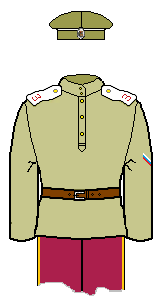
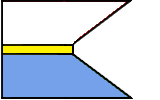
The dress cap was light blue, piped yellow, with a white band, piped yellow. The field cap had white piping on the top side of the hatband.
Dress trousers were red, with a yellow stripe.
The shoulder-boards were plain white. Officers had silver metal, with a gold "3". Rankers had the same number in red.
Greatcoat tabs were light blue, piped white.
Brief History
Revived in the Volunteer Army. A squadron was formed in December 1918 as part of the Composite Cavalry Regiment of the Volunteer Army of the Odessa Region (which became the 3rd Cavalry Regiment on 1 May 1919).
It took part in the Bredov March.
Upon arrival in Crimea on 8 August 1920, the regiment's squadron became part of the 7th Cavalry Regiment
5th Aleksandria Hussars
Uniform
 |
 |
 |
|
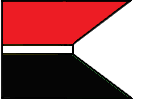
| Officer: 5th Hussars | Private: 5th Hussars | Lance pennon of the 5th Hussars |
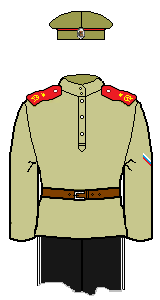
The dress cap was black piped white, with a red band, piped white. The field cap had red piping on the top side of the hatband.
Dress trousers were black, with a wide silver stripe for officers and two thin white stripes for soldiers.
The shoulder-boards were plain red. Officers had silver metal, with a gold crowned stylised A in a circle. Rankers had the same cipher in yellow.
Greatcoat tabs were black, piped red.
Flag
Often the AFSR raised units to whole regiments if they had managed to keep their Imperial banner. It would have looked something like this (although I'm uncertain on a few of the details):
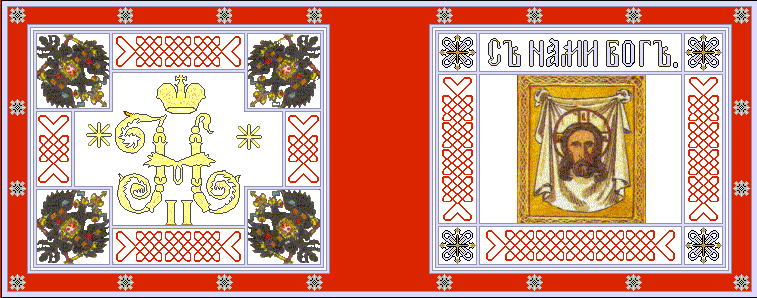
Otherwise the usual cavalry method in the civil war was to put unit initials in a diamond, like this:
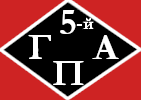
Brief History
Revived in the AFSR, from January to March 1919 a squadron of the regiment was part of the Reserve Cavalry Regiment. In the spring of 1919 was part of the Perekop Detachment of the Crimean-Azov Army, then transferred to the Caucasus.
It was formed as a regiment (six squadrons) on 1 July 1919 in Grozny (from former cavalrymen from Stavropol', Nogais and Kalmyks) as part of the Forces of the North Caucasus. It took part in the pacification of Chechnya. By October 1919, it had about 2,000 men with 3 staff officers and 27 senior officers, fielding 861 sabres and 18 machine guns, but by March 1920 was down to about 400 men. In March, it withdrew from Vladikavkaz to Georgia, from where it was transferred to Crimea in April.
From 16 April 1920 a divizion was part of the 1st Cavalry Regiment.
It was also revived on the Eastern Front as the Samara Hussar Regiment.
6th Volyn Lancers
The dress cap was dark blue piped light blue, with a light blue hatband, piped dark blue. The field cap had a light blue piping on the top side of the hatband.
Dress trousers were dark blue, piped light blue.
The shoulder-boards were light blue, piped dark blue. Officers had silver metal, with a gold "6". Rankers had the "6" in yellow.
Greatcoat tabs were light blue, piped dark blue.
The lance pennon was light blue over white.
The unit formed a squadron in the 1st Cavalry Regiment in the Crimea in 1920.
9th Bug Lancers
Uniform
 |
 |
 |
|
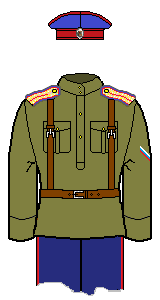
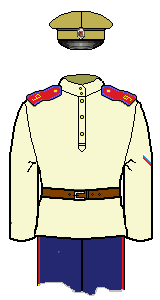
| Officer: 9th Lancers | Private: 9th lancers | Lance pennon of the 9th Lancers |
The dress cap was dark blue, piped red, with a red hatband. The field cap had red piping on the top side of the hatband.
Dress trousers were dark blue, piped red.
The shoulder-boards were red, piped dark blue. Officers had gold metal, with a silver "9". Rankers had the number in yellow.
Greatcoat tabs were red, piped dark blue.
Brief History
Formed in December 1918 as part of the Composite Divizion of the 9th Cavalry Division. In May 1919 that became the Composite Regiment of the 9th Cavalry Division. In July 1919 the Bug Lancers had two squadrons. In the autumn of 1919 they became their own regiment within the 9th Cavalry Division.
In April 1920, they formed a divizion in the 6th Cavalry Regiment.
9th Kiev Hussars
Uniform
 |
 |
 |
|
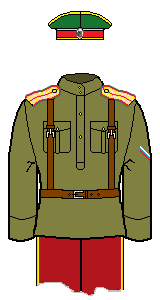
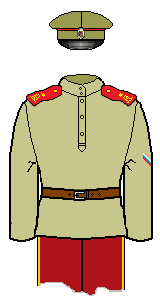
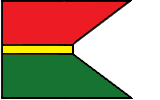
| Officer: 9th Hussars | Private: 9th Hussars | Lance pennon of the 9th Hussars |
The dress cap was dark green, piped yellow, with a red hatband, piped yellow. The field cap had red piping on the top side of the hatband.
Dress trousers were red, striped yellow.
The shoulder-boards were plain red. Officers had gold metal, with a complicated cipher of a crowned entwined "ER". Rankers had a yellow cipher.
Greatcoat tabs were dark green, piped red.
Flag
The regiment's banner made it to south Russia, and eventually to emigration. It is this, although the corners with the "A"s have lost their dark red colour.

Whether it was carried into battle I do not know.
Brief History
Formed in December 1918 as part of the Composite Divizion of the 9th Cavalry Division. In May 1919 that became the Composite Regiment of the 9th Cavalry Division. In July 1919 the Kiev Hussars had two squadrons. In the autumn of 1919 they became their own regiment within the 9th Cavalry Division.
In April 1920, they formed a divizion in the 6th Cavalry Regiment.
9th Kazan Dragoon Regiment
Uniform
 |
 |
 |
|
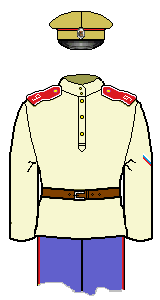
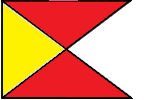
| Officer: 9th Dragoons | Private: 9th Dragoons | Lance pennon of the 9th Dragoons |
The dress cap was white piped red, with a red piped white hatband. The field cap had a red piping on the top side of the hatband.
Dress trousers were blue, striped red.
The shoulder-boards were red, piped white. Officers had silver metal, with a gold "9". Rankers had a white "9".
Greatcoat tabs were red, piped white.
Brief History
Revived in the Volunteer Army. It was part of the Composite Divizion of the 9th Cavalry Division, which was formed in December 1918. On 27 May 1919 that unit became the Composite Regiment of the 9th Cavalry Division. In July 1919 the Kazan Dragoons were represented by two squadrons. In the autumn of 1919 the Kazantsy were formed into a separate regiment within the 9th Cavalry Division.
From 16 April 1920 in the Crimea, once more a divizion, it was part of the 6th Cavalry Regiment, later renumbered as the 5th CR.
10th Ingermanland Hussars
Uniform
 |
 |
 |
|
| Officer: 10th Hussars | Private: 10th Hussars | Lance pennon of the 10th Hussars |
The dress cap was light blue piped yellow, with a light blue band, piped yellow. The field cap had a light blue piping on the top side of the hatband.
Dress trousers were hussar red, piped gold (orange for ranks).
The shoulder-boards were plain light blue. Officers had gold metal, with a silver "10". Rankers had a yellow "10".
Greatcoat tabs were plain blue.
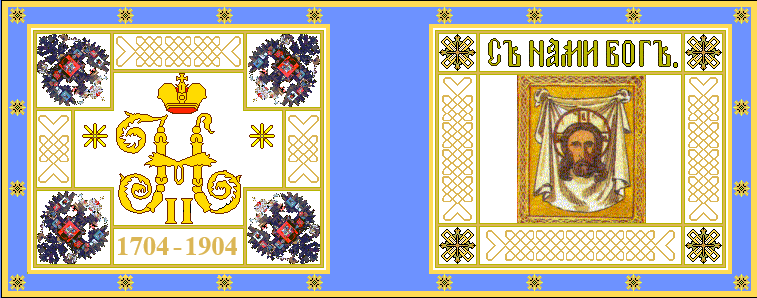
Flag
The civil war unit had kept its Imperial flag, which I believe was a new Nikolai:
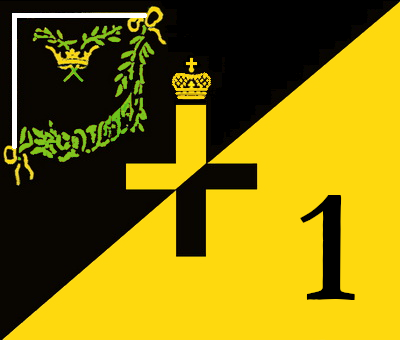
The squadron flags of this regiment may have looked something like this:
Brief History
In August 1918 officers from this regiment arrived in Novocherkassk with their banner. Most of the officers serving at the end of WWI made it to the unit. Initially former officers from the 10th Cavalry division (10th Hussars, 10th Dragoons) also formed squadrons in this regiment. They were split out later in mid-1919.
On 27 May 1919 it became a regiment (five squadrons) in the 1st Brigade of the 1st Cavalry Division. In July 1919 it was down to two squadrons. On 5 October 1919 it had 240 sabres. With that division's decomposition in the retreat, by February 1920 it was down to a divizion in the 1st Composite Cavalry Regiment.
On 16 April 1920 the regiment's divizion (three squadrons) was part of the 5th Cavalry Regiment. On 8 August 1920 it went to the 1st Cavalry Regiment.
10th Novogrod Dragoons
Uniform
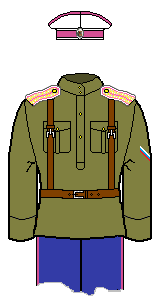 |
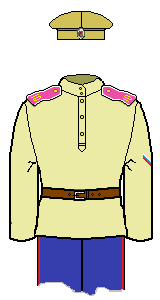 |
 |
|
| Officer: 10th Dragoons | Private: 10th Dragoons | Lance pennon of the 10th Dragoons |
The dress cap was white piped raspberry, with a raspberry piped white hatband. The field cap had a raspberry piping on the top side of the hatband.
Dress trousers were blue, piped raspberry.
The shoulder-boards were raspberry, piped white. Officers had gold metal, with a silver "10". Rankers had a yellow "10".
Greatcoat tabs were raspberry, piped white.
Brief History
Began to form in June 1919 as part of the 10th Ingermanland Hussar Regiment. In July 1919 two squadrons of the regiment joined the 1st General Alekseev Horse Regiment.
10th Odessa Lancers
Uniform
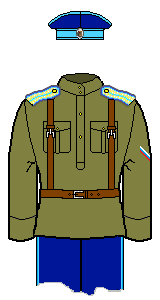 |
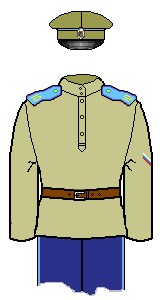 |
 |
|
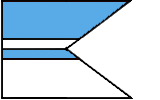
| Officer: 10th Lancers | Private: 10th lancers | Lance pennon of the 10th Lancers |
The dress cap was dark blue, piped light blue, with a light blue hatband. The field cap had a light blue piping on the top side of the hatband.
Dress trousers were dark blue, piped light blue.
The shoulder-boards were light blue, piped dark blue. Officers had gold metal, with a silver "10". Rankers had a yellow "10".
Greatcoat tabs were dark blue, piped light blue.
Brief History
Revived in June 1919 as part of the 10th Ingermanland Hussar Regiment. In July 1919 two squadrons of the regiment joined the 1st General Alekseev Horse Regiment. From 16 April 1920 a squadron from the regiment was part of the 1st Cavalry Regiment.